
Getting into a car accident is stressful enough without having to worry about lengthy claim processes. But once the dust settles and you’ve contacted your insurer, the burning question becomes: how long is this going to take?
The answer isn’t quite as straightforward as you might hope. Car insurance claims can take anywhere from a week to several months, depending on various factors. Some claims zip through the system faster than a sports car on an empty motorway, while others crawl along like rush hour traffic.
For accident body repairs – Call us now!
This guide will walk you through everything you need to know about car insurance claim timelines in the UK. We’ll cover typical settlement periods, factors that can speed up or slow down your claim, and practical tips to help you navigate the process more smoothly.
Average time for settling car insurance claims in the UK

Let’s start with the numbers you’re probably most interested in. The timeline for settling car insurance claims varies significantly based on the complexity and severity of your accident.
Understanding typical settlement periods can help you gauge whether your motor insurance claim is progressing normally or experiencing delays.
Minor cosmetic damages
For straightforward cases involving minor cosmetic damage, you can expect settlement in around a week. These claims typically involve clear fault determination and relatively low repair costs, making them quick to process.
Totaled vehicles
When your car is written off and you have comprehensive car insurance, the process takes longer. Expect up to a month for complete settlement. This extended timeline accounts for vehicle valuation, settlement negotiations, and the administrative process of transferring ownership.
Disputed fault
Cases where fault cannot be clearly established can take months to resolve. Even after your personal claim is settled, insurers may continue disputing liability between themselves. This ongoing dispute doesn’t typically affect your immediate settlement but can impact whether you recover your excess if you’re later found not to be at fault.
Factors influencing claim duration

Several key factors determine how long your car insurance claim will take to settle. Understanding these can help you manage expectations and potentially influence the timeline.
Type of damage
Minor cosmetic damage typically results in faster claim resolution. A small dent or scratch with clear fault determination can often be settled within a week. However, extensive damage that requires detailed assessment takes considerably longer.
If your vehicle has been written off, expect a lengthier process. Your insurance company needs to evaluate the car’s value, agree on a settlement figure, and arrange for vehicle collection before paying out. This process can take up to a month.
Liability determination
Clear-cut cases where fault is obvious process much faster than disputed claims. If one driver clearly ran a red light or rear-ended another vehicle, liability is straightforward to establish.
Disputed fault scenarios can significantly extend claim timelines. When circumstances are unclear or both parties claim the other was at fault, insurers may need to conduct thorough investigations. This can involve reviewing police reports, interviewing witnesses, and sometimes appointing specialist investigators.
Policy type
Your type of coverage can also affect processing time. Comprehensive policies often involve more complex settlements, particularly for write-offs, compared to third-party insurance claims.
Involved parties
The number of people involved in your accident affects processing time. Two-vehicle accidents are generally simpler to resolve than multi-vehicle incidents. Additionally, the cooperation level of all parties plays a crucial role. Unresponsive drivers or insurers can cause significant delays.
Evidence collection
The quality and quantity of evidence you provide directly impacts your claim timeline. Comprehensive documentation including photos, witness statements, and police reports helps insurers determine fault quickly and reduces the likelihood of disputes.
Dashcam footage can be particularly valuable, providing clear evidence of what happened. The more evidence available, the less time insurers need to spend investigating the incident.
How to expedite the claims process
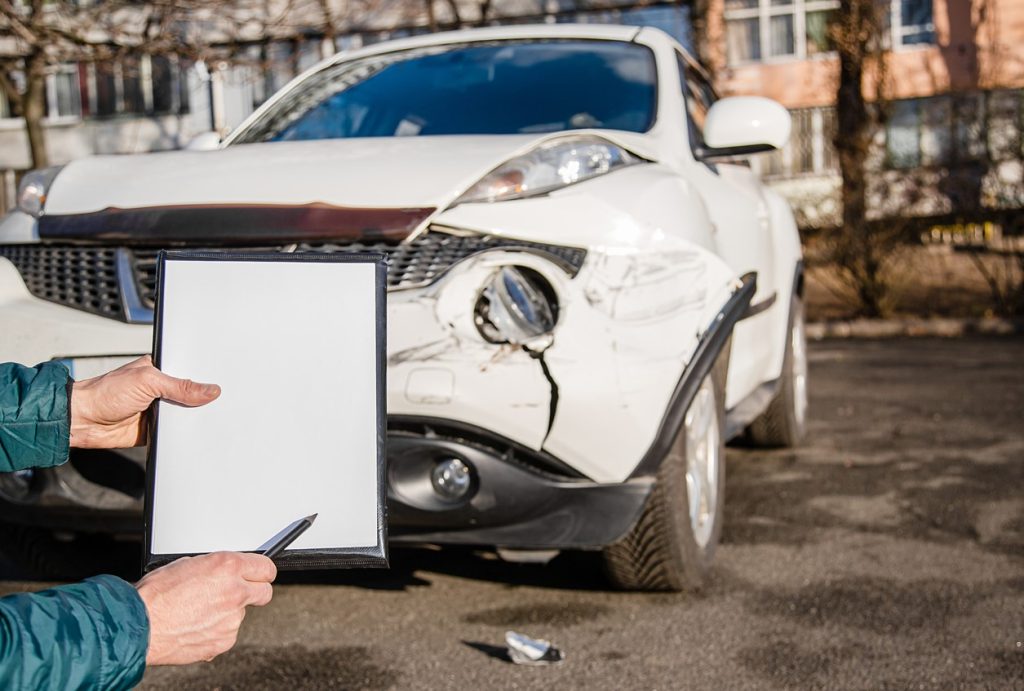
While you can’t directly control your insurer’s internal processes, you can take steps to ensure your claim progresses smoothly.
Gather evidence and information promptly
Collect comprehensive details about the incident and other driver immediately. Document everything: vehicle positions, road conditions, weather, and any traffic signs or signals. The more thorough your initial report, the less likely your claim will be delayed due to missing information.
Maintain open communication
Stay in regular contact with your insurance provider throughout the process. Respond promptly to any requests for additional information or documentation. Regular communication helps identify potential issues early and keeps your claim moving forward.
Be honest and proactive
Always provide accurate information to your insurer. Withholding or manipulating facts can void your insurance and create legal complications. Honesty builds trust with your insurer and typically speeds up the process.
Submit requested information as quickly as possible. Delays in providing documentation can significantly extend your claim timeline.
FAQ
How long after a car accident can I claim?
You don’t have unlimited time to file a car insurance claim. In the UK, you should contact your insurer as soon as possible after an accident, typically within 24 hours. Most policies require you to report accidents promptly, regardless of whether you plan to make a claim.
For legal action related to personal injury, you generally have three years from the date of the accident to file a claim. However, it’s always best to act quickly, as evidence can disappear and memories can fade over time.
How long can a car insurance claim stay open?
Several factors can cause a claim to remain open for extended periods. Complex liability disputes, ongoing medical treatment for injuries, or disagreements over settlement amounts can all keep claims active for months or even years.
Having an open claim can affect your insurance premiums, as insurers may view you as a higher risk until the matter is fully resolved. It’s worth staying in regular contact with your insurer to understand the status of your claim and any potential impact on your future premiums.
Remember, even after your personal settlement is complete, insurers may continue disputing fault between themselves. This typically doesn’t affect you directly, though it could impact whether you recover your excess if you’re later found not to be at fault.
How long does a claim stay on your insurance?
Once settled, a claim typically remains on your insurance record for five years. During this period, you’ll need to declare it when applying for new insurance policies, and it may affect your premiums.
The impact on your premiums depends on various factors, including whether you were at fault, the claim amount, and your overall driving history. Non-fault claims generally have less impact than fault claims, but they can still influence your insurance costs.
It’s important to note that insurers use claims history as one of the key factors when calculating risk and determining premiums. This is why maintaining a clean driving record and avoiding claims where possible can work in your favor.
Additionally, some insurers offer no-claims discounts as a reward for claim-free years, which can significantly reduce your premium over time. However, if you do need to make a claim, ensuring honesty and providing complete details about the incident can help expedite the process and avoid complications later. Always review your policy to understand your coverage and any potential implications for your premiums after making a claim.
What if your claim takes too long?
If you feel your claim is taking unreasonably long, you have options for escalation.
Escalating to the insurer
Start by contacting your insurer’s complaints department. They should be able to provide a detailed update on your claim’s status and explain any delays. If you’re not satisfied with their response, ask for a written explanation of the delay.
Contacting the Financial Ombudsman
If your insurer cannot resolve your concerns satisfactorily, you can contact the Financial Ombudsman Service. They provide free, independent dispute resolution for insurance complaints. The ombudsman can investigate your case and potentially order your insurer to take specific action. You can also consult with the motor insurers bureau for further support.
Impact on future premiums and insurance history
Understanding how claims affect your insurance record is important for long-term financial planning.
Claim affect and car insurance premium increases
Most insurers will consider your claim when calculating future premiums, even if you weren’t at fault. The impact depends on various factors including the claim amount, circumstances, and your overall driving history.
No-claims bonus
A successful claim typically affects your no-claims bonus, potentially resulting in higher premiums for several years. However, some insurers offer no-claims bonus protection as an optional extra, which can help mitigate this impact.
Claims remain on your insurance record for five years, during which you’ll need to declare them when applying for new policies. The impact on your premiums generally decreases over time, particularly if you maintain a clean driving record.
Moving forward with confidence
Vehicle insurance claims don’t have to be overwhelming when you understand the process and timeline expectations. While minor claims might resolve within a week, complex cases can take a month or longer.
Remember that factors like accident complexity, evidence quality, and fault disputes all influence your claim duration. By being proactive, honest, and responsive throughout the process, you can help ensure the smoothest possible experience.
Relieve the stress of an insurance claim with Intensive Car Unit — fully approved repairer
At Intensive Car Unit, we understand how complicated insurance claims can be, and we’re here to make the process easier for you. We provide services that include perks like courtesy car arrangements while we repair your vehicle, so you’re never left stranded.
We also help ease the financial burden by contributing towards your insurance excess—up to £500 in some cases. This support ensures you get top-quality repairs without the added stress.
Let us handle the hard work for you. Get in touch today to see how we can help!